How to Check Your Roof After a Heavy Wind or Rainstorm
Safety First
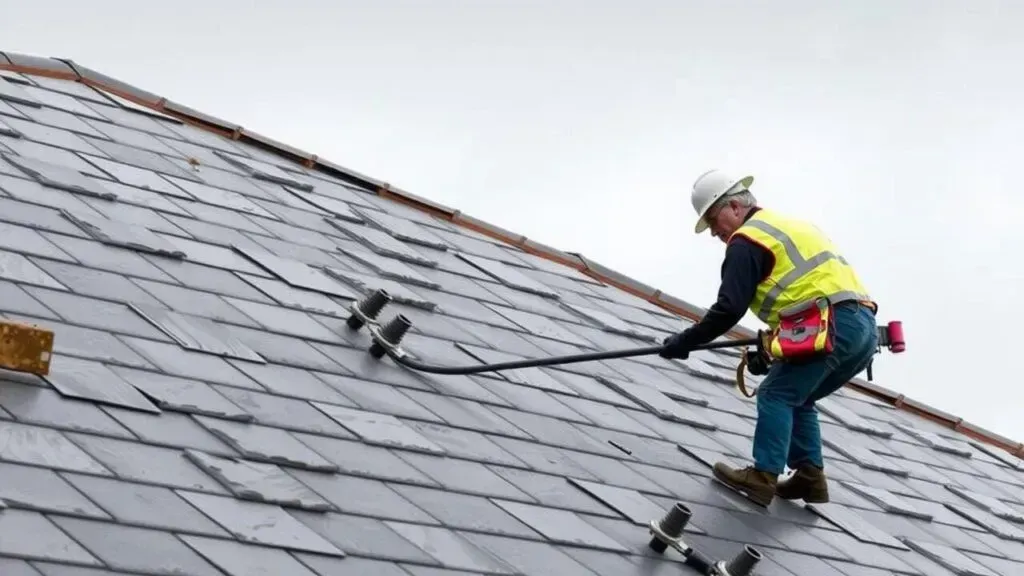
Do not climb onto a wet or damaged roof. Falls from roofs are a leading cause of home-maintenance injuries. Stay clear of downed power lines and fallen branches that may be touching wires, and call the utility if you see them.
Inspect From the Ground
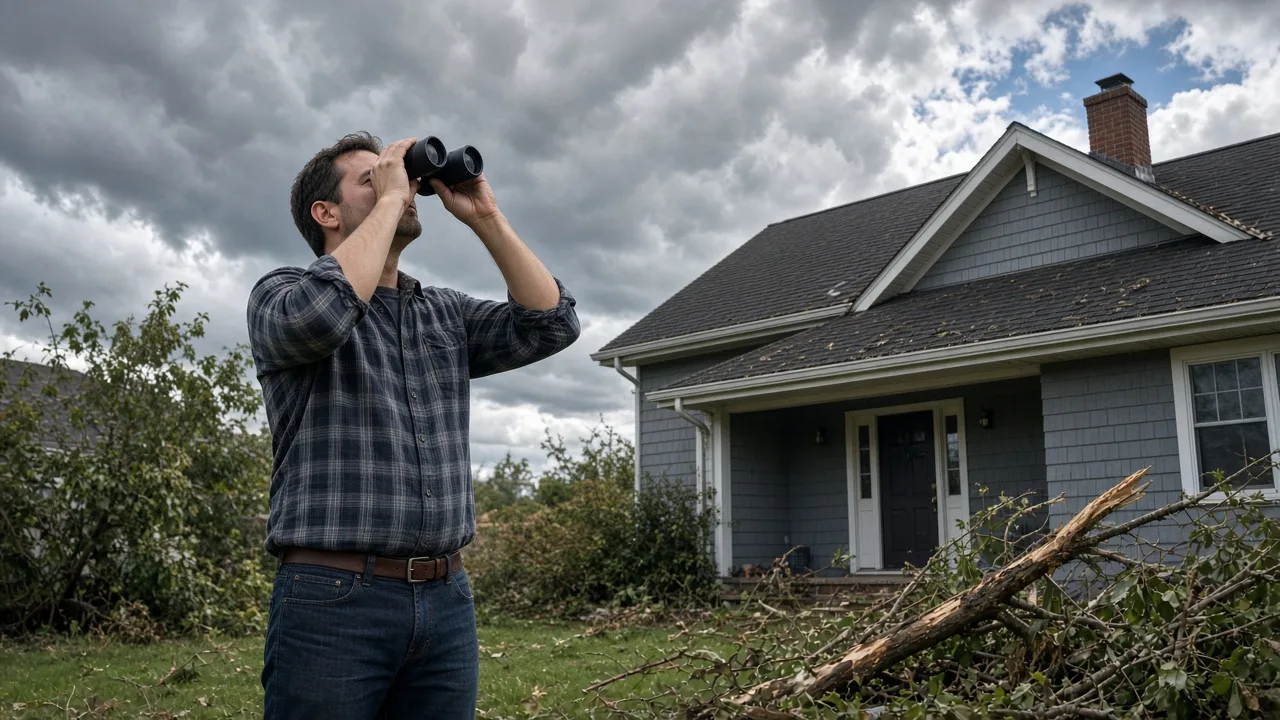
- Use binoculars to scan for missing, cracked, curled or lifted shingles or slipped and broken tiles.
- Look for shingle pieces or granules in your yard and gutters.
- Check metal flashing around chimneys, vents and skylights for gaps or bent edges.
- Look for sagging areas, which can indicate structural or moisture problems.
- Examine gutters and downspouts for damage, pulled-away sections or debris.
Check the Attic and Ceilings
Use a flashlight to look in the attic for water stains, damp insulation, daylight coming through the roof deck or a musty smell. On ceilings and walls, look for discoloration, bubbling paint or drips. Small stains can be easy to miss, so check again after the next rainfall.
Look Around the Property
Inspect the yard for fallen limbs and debris. Check that trees near the house have not been weakened, and look at fences, patio covers and sheds for damage that may indicate how strong the winds were.
Document Everything
Take dated photos of any damage before cleaning up or making temporary repairs. Keep receipts for emergency measures such as tarps. This documentation helps if you file an insurance claim.
Temporary Protection
If a leak is active, place a bucket under it and move belongings. A professional can install a temporary tarp. Avoid doing it yourself on a steep or wet roof.
Call a Licensed Professional
If you find damage, contact a licensed and insured roofer for a thorough inspection. Be cautious of unsolicited contractors who knock on doors after storms, ask for large upfront payments or pressure you to sign immediately. Verify licenses with the state board and get written estimates. Review your insurance policy and deductible before filing a claim.
Even if everything looks fine, consider scheduling a professional inspection every few years and after any severe weather. Regular checks are inexpensive compared with repairing water damage, and a documented maintenance history can also be useful when you sell your home or file an insurance claim.
p>