Preparing Your Roof for Storm Season: A Practical Checklist
Start With a Visual Inspection
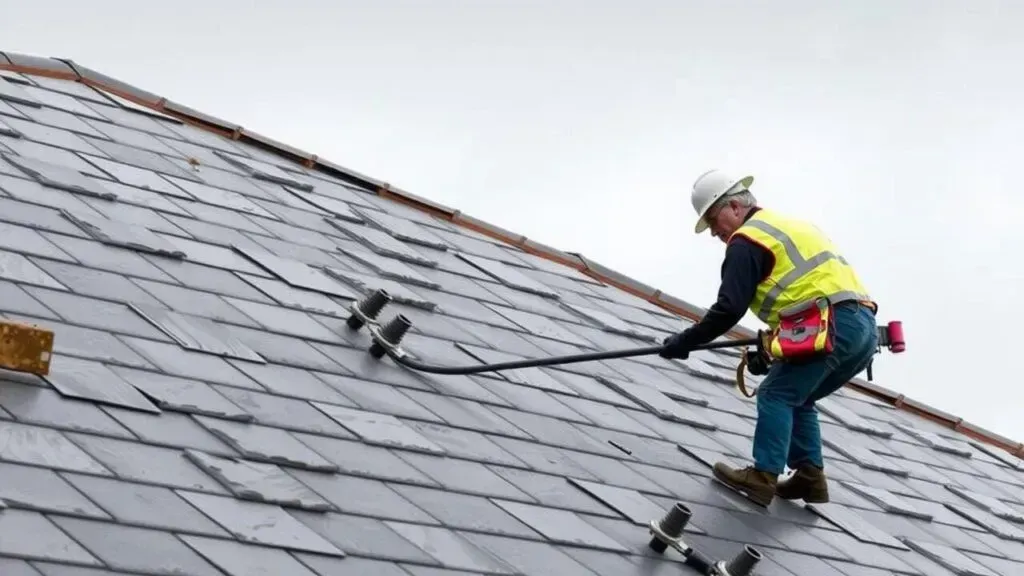
From the ground, use binoculars to look at the roof surface. Check for cracked, curled or missing shingles, broken or slipped tiles, exposed fasteners and sagging areas. Look at the flashing around chimneys, vents and skylights. Avoid climbing on the roof unless you are comfortable and have the right safety equipment; a professional inspection is a safer option, especially for steep or tile roofs.
Check the Attic
With a flashlight, look for daylight coming through the boards, water stains, damp insulation, mold or rusted nails. These can point to current or past leaks. Good attic ventilation also helps keep moisture under control.
Clear Gutters and Drains
- Remove leaves, dirt and debris from gutters and downspouts.
- Flush them with a hose to check for blockages.
- Confirm that downspouts discharge water away from the foundation.
- Clean roof valleys and flat-roof drains.
Trim Trees and Remove Debris
Overhanging branches can scrape the roof surface or fall during storms. Trim them back, and remove debris from the roof. Dead limbs are a hazard, so have a licensed arborist handle large trees.
Repair Small Problems Promptly
Replace damaged shingles or tiles, reseal flashing and fix loose or exposed fasteners. Temporary patches may help in an emergency, but they are not substitutes for proper repairs. Schedule repairs before the rainy season, since roofers are typically busiest right after a storm.
Know Your Insurance
Review your homeowners' policy to understand what is covered, the deductible and the claims process. Photograph the roof and home before the season so that you have a record of existing conditions. Keep roofing invoices and warranties in an accessible place.
Build an Emergency Plan
- Keep tarps, rope and roofing nails or ask a contractor about emergency tarping services.
- Have the number of a licensed roofer and your insurance company.
- If a leak occurs, move belongings, place a bucket under the drip and, if safe, puncture a bulging ceiling stain to release the water in a controlled spot.
- Photograph the damage for your claim.
After the Storm
Inspect for missing materials, debris and new stains once the weather has cleared. Beware of door-to-door contractors who appear after storms and pressure homeowners to sign; check licenses and get written estimates before agreeing to work.
p>