Roof Flashing Explained: Where Leaks Really Start
What Flashing Does
Roofing materials shed water well on a flat plane, but any penetration or change in plane, such as a chimney, vent pipe, skylight or wall, creates a place where water can run toward an opening. Flashing creates a barrier that guides water over the joint and back onto the roof surface. It is typically layered, with the upper pieces overlapping the lower ones so water flows over rather than under.
Common Types of Flashing
- Step flashing. Small L-shaped pieces installed in alternating layers with shingles along a wall or dormer.
- Valley flashing. Metal channels or woven shingle details where two roof planes meet and direct heavy water flow.
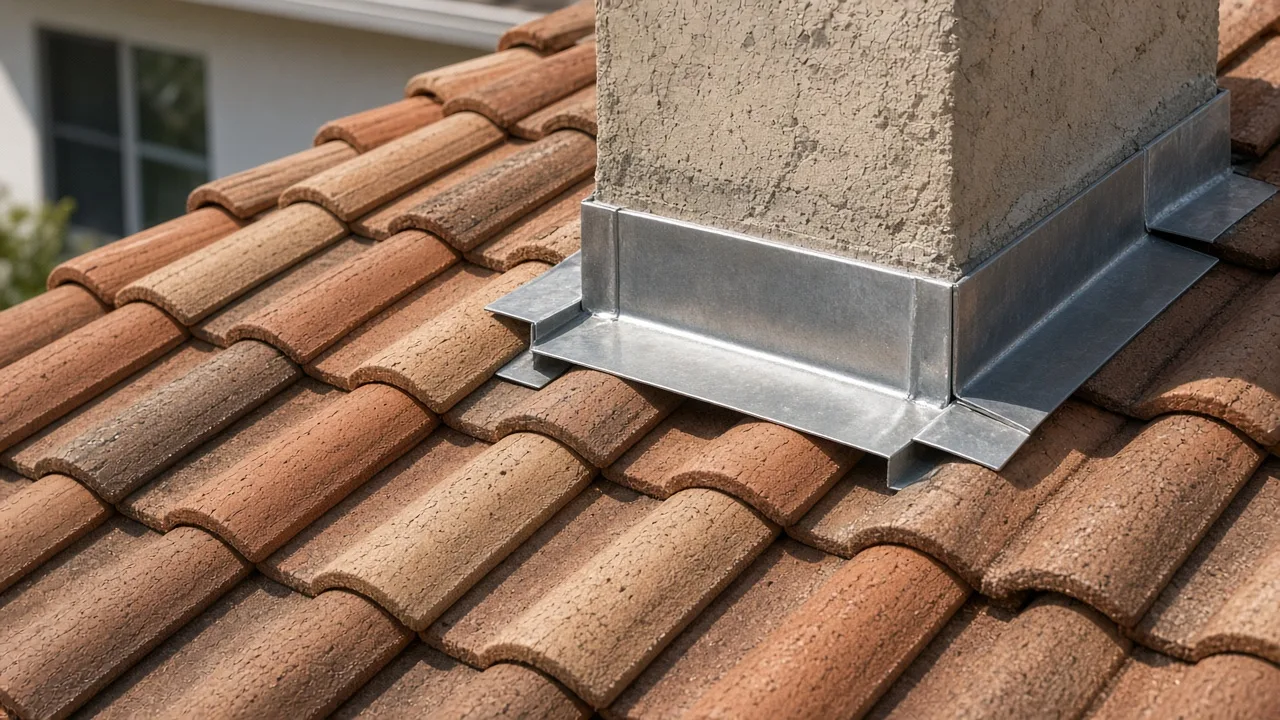
- Chimney flashing. A combination of base flashing, counter-flashing and often a cricket to divert water around the back of a chimney.
- Drip edge. Metal installed along the eaves and rakes to guide water into gutters and protect the fascia and decking.
- Vent pipe boots. Rubber or metal collars that seal around plumbing and exhaust pipes.
- Skylight flashing. Kits made to match the skylight type and the roof covering.
Materials
Flashing is commonly made from galvanized steel, aluminum, copper, lead-coated metals and stainless steel. The choice depends on the roofing material, the climate and the budget. Dissimilar metals can cause corrosion where they touch, so installers must select compatible materials and fasteners.
Why Flashing Fails
- Poor installation, such as missing pieces, nailing through exposed sections or relying on sealant instead of proper overlaps.
- Age and weathering that lead to rust, cracks or loosened seams.
- Roof movement from expansion and contraction or settlement.
- Sealant that has dried out, shrunk or pulled away.
- Damage from storms, debris or foot traffic.
Signs to Look For
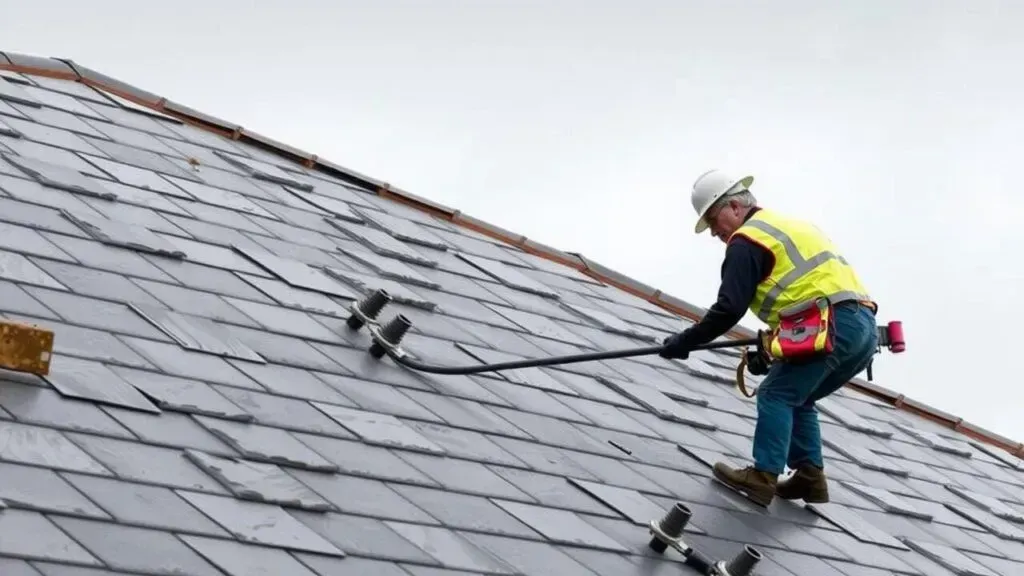
Stains on ceilings near walls or chimneys, damp spots in the attic, rust streaks on the roof and visible gaps or bent metal are signs that flashing deserves inspection. Leaks often appear far from the entry point because water travels along framing before dripping, so a professional inspection can trace the source.
Repair Options
Minor problems, such as a failed sealant bead, may be repaired by resealing with a compatible product. Damaged or corroded pieces should be replaced. Often the best time to upgrade flashing is during a roof replacement, when the details can be rebuilt properly rather than patched. Insist that the contractor describe the flashing details in the written estimate.
Maintenance Tips
Inspect flashing annually and after severe storms, keep roof valleys and areas behind chimneys clear of debris, and avoid walking on delicate sections. Good flashing is a small part of the cost of a roof but a large part of its performance.
p>