Solar Panels and Your Roof: What to Check Before Installation
Check the Age and Condition
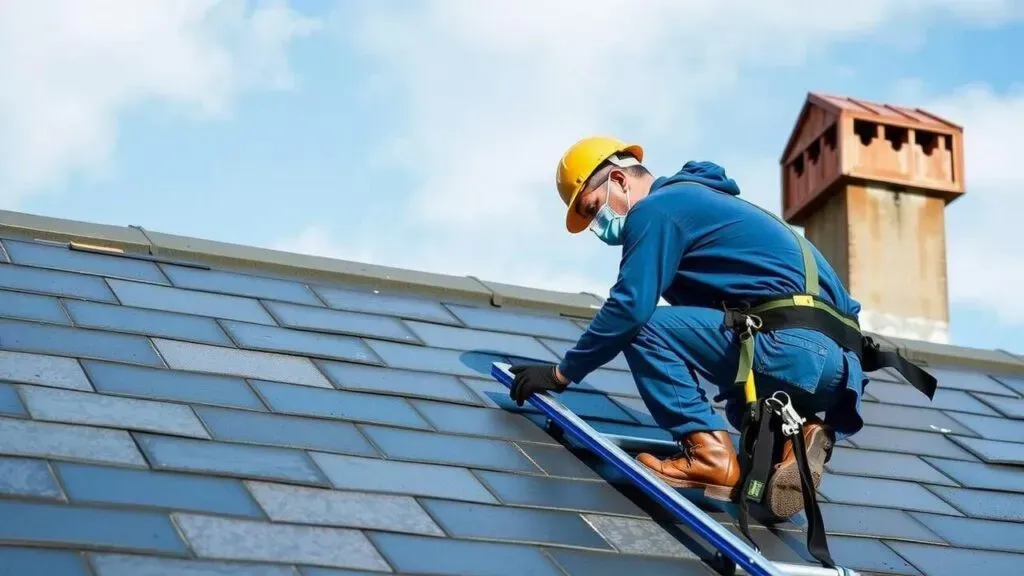
If the roof is near the end of its life, it often makes sense to replace it before installing solar. Removing panels to re-roof later adds labor costs, and some roofs may not last as long as the solar system. A licensed roofer can inspect the surface, flashing and decking and estimate remaining life. Repair any leaks, rot or damaged sections before panels go on.
Know Your Roofing Material
- Asphalt shingles. The most common surface for solar mounts, and relatively easy to flash around penetrations.
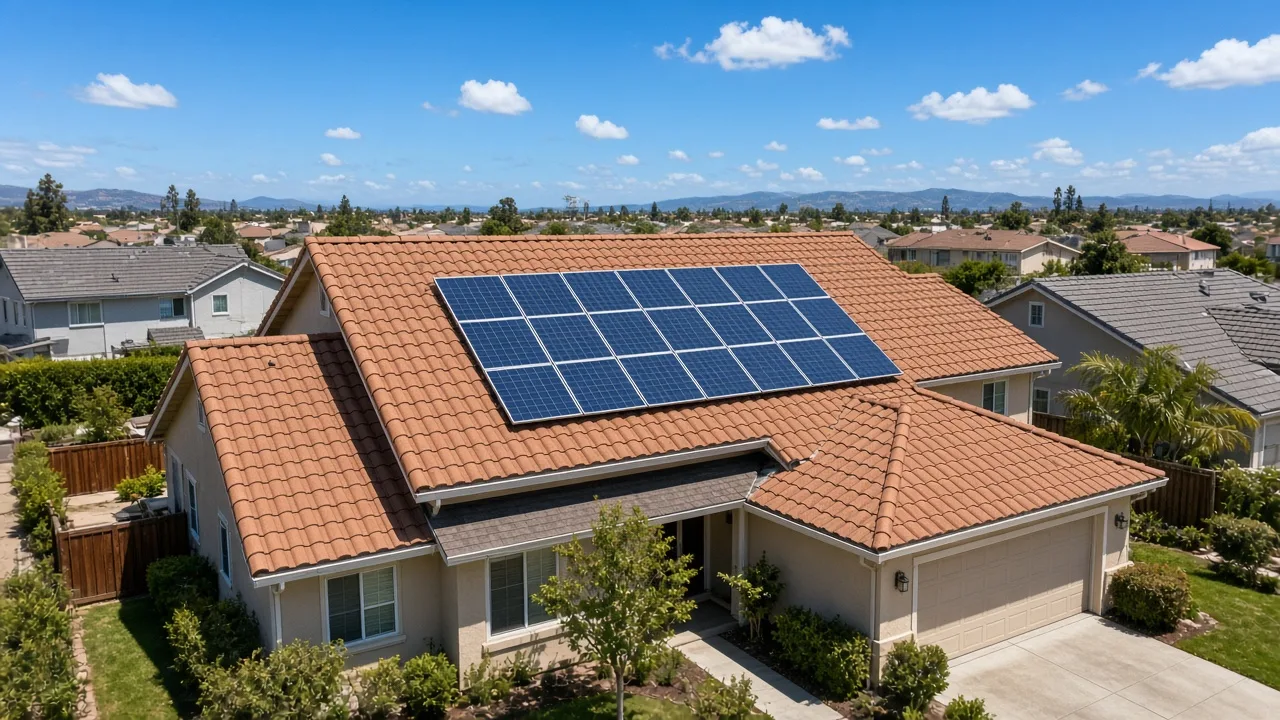
- Tile roofs. Require special hooks or replacement tiles, and installers must take care to avoid breaking tiles.
- Metal roofs. Standing seam roofs can often accept clamp-on mounts that avoid penetrations.
- Flat roofs. Typically use ballasted or tilted racks, and the membrane must be protected.
Structural Considerations
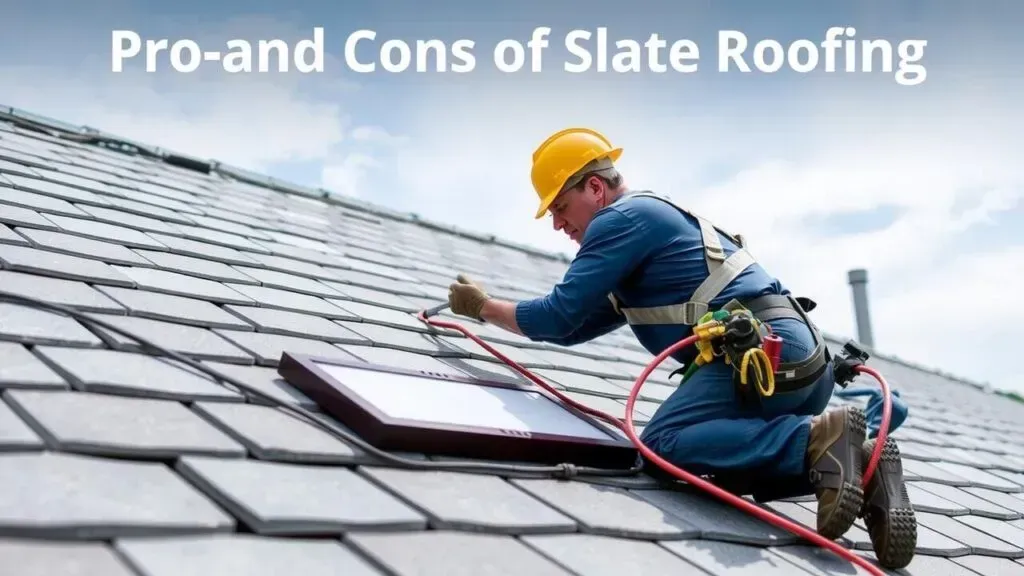
Panels and racking add weight, usually a few pounds per square foot. In most cases, standard residential framing can support them, but an installer or engineer should confirm, especially for older homes or roofs with prior modifications. Rafter spacing and condition affect where mounts are placed.
Orientation, Shade and Layout
In the Northern Hemisphere, south-facing roof planes generally produce the most energy, though east and west faces can work well too. Trees, chimneys and neighboring buildings can cast shade that lowers output. Installers use software and on-site measurements to estimate production and design the layout. Some layouts also need to allow for fire code setbacks, which provide access paths on the roof.
Penetrations and Waterproofing
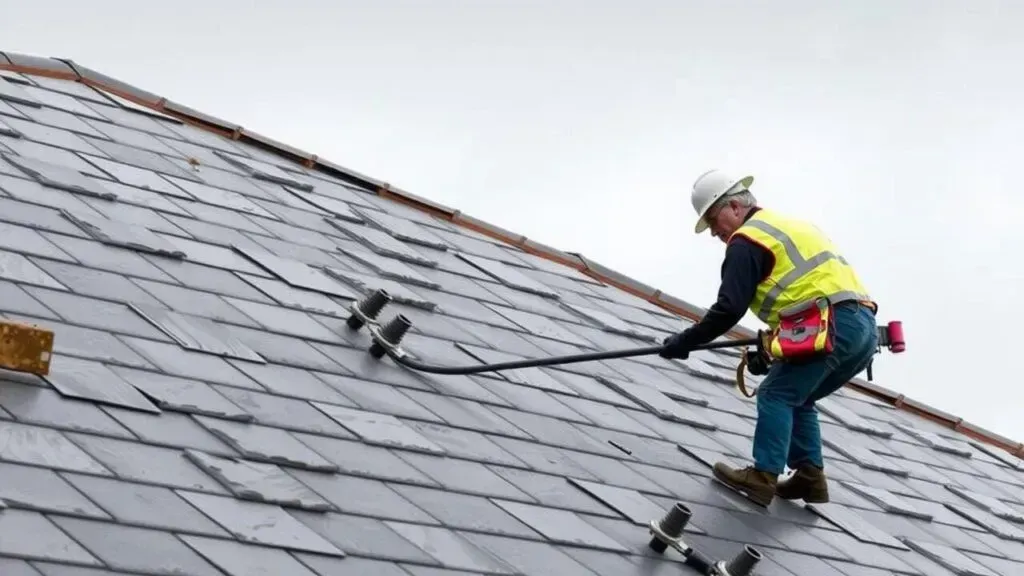
Every mount that passes through the roof surface is a potential leak point. Quality installers use flashed mounts, sealants and methods suited to the roof type. Ask how penetrations are sealed and whether the company offers a roof penetration warranty in addition to the equipment warranty.
Coordinating Roofers and Solar Installers
- Share inspection findings and roof warranty documents with the solar company.
- Ask whether your roofing warranty remains valid with panels installed, and whether the roofer must approve the work.
- Schedule roof work first so that the solar crew can begin on a finished surface.
Permits and Incentives
Solar installations require permits and inspections, and local rules may include fire setback requirements. Incentives, tariffs and net metering policies change from time to time, so verify the current programs with your utility and a trusted installer.
Maintenance Afterward
Have the roof and panels inspected periodically. If roofing work is needed later, a qualified solar technician can detach and reinstall the array. With careful planning, the roof and solar system can work well together for many years.
p>